
Enhance Your Property's Aesthetics with Expert Painting Solutions

Updated: Jul 10
Transform Your Home's Curb Appeal with Exterior Painting
Your home's exterior is the first thing visitors, neighbors, and potential buyers notice. Over time, weather, sunlight, and moisture can cause paint to fade, crack, or peel, leaving your property looking worn and outdated.

Benefits of Exterior Painting
Enhances curb appeal instantly
Increases property value
Protects siding, wood, and trim from weather damage
Prevents moisture infiltration and rot
Gives your home a fresh, well-maintained appearance
Popular Exterior Color Trends
Neutral tones remain a favorite among homeowners because they offer timeless appeal. Consider:
Warm whites and creams
Soft grays
Earthy beige tones
Deep navy accents
Charcoal trim for modern contrast
When selecting exterior colors, consider your home's architectural style, landscaping, and neighborhood aesthetic to create a cohesive look.
Interior Painting Ideas to Refresh Your Living Space
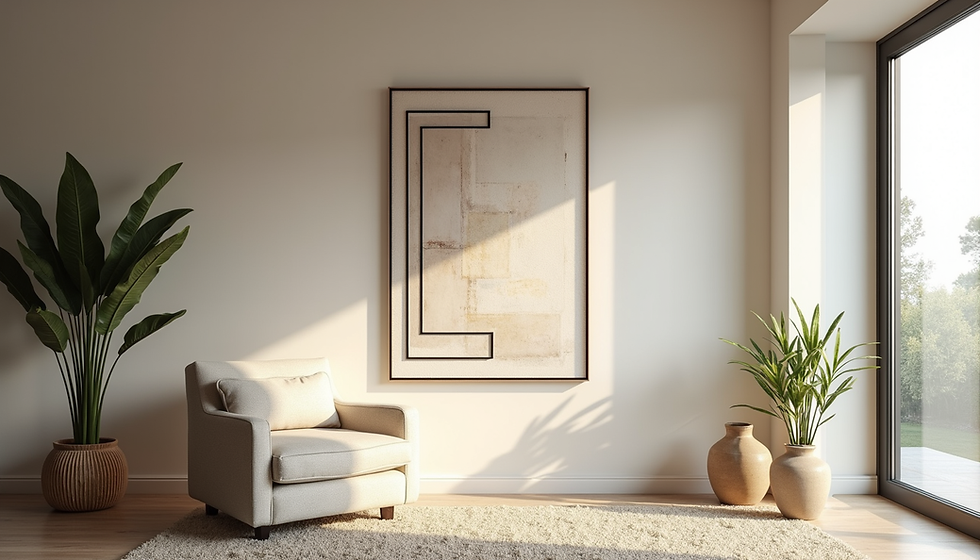
Interior paint has the power to completely transform the atmosphere of a room. Whether you're aiming for a cozy retreat or a bright, modern environment, strategic color choices can help you achieve your desired style.
Creating an Accent Wall
An accent wall adds personality without overwhelming a space. Popular accent colors include:
Deep blue
Forest green
Rich terracotta
Soft charcoal
Brightening Small Rooms
Lighter shades can make compact rooms feel larger and more open. Consider:
Soft white
Light gray
Pale blue
Warm ivory
Add Depth with Color
For larger spaces, darker tones can create warmth and sophistication. Dining rooms, home offices, and bedrooms often benefit from richer color palettes.

Modern Interior Trends
Current trends include:
Earth-inspired colors
Warm neutrals
Muted greens
Soft blush tones
Layered monochromatic schemes
Choosing the Perfect Paint Colors for Your Home
Selecting paint colors can feel overwhelming with so many options available. The key is finding colors that reflect your personal style while complementing your home's features.
Consider Lighting
Natural and artificial lighting can dramatically affect how paint colors appear throughout the day. Always test samples on your walls before making a final decision.
Match Your Existing Décor
Take into account:
Furniture colors
Flooring materials
Cabinet finishes
Decorative accents
The paint should enhance your existing design elements rather than compete with them.
Use the 60-30-10 Rule
A balanced color scheme often follows this guideline:
60% dominant color (walls)
30% secondary color (furniture and textiles)
10% accent color (decorative accessories)
Think Long-Term
While trendy colors can be appealing, choose shades you'll enjoy for years to come. Timeless colors often provide the best return on investment.

DIY vs. Professional Painting: What You Need to Know
Many homeowners wonder whether they should tackle painting projects themselves or hire professionals. Both options have advantages and drawbacks.
DIY Painting Pros
Lower upfront costs
Flexible schedule
Sense of accomplishment
Complete control over the project
DIY Painting Cons
Time-consuming
Requires proper preparation and equipment
Higher risk of uneven finishes
Potential for costly mistakes
Professional Painting Pros
High-quality workmanship
Faster project completion
Proper surface preparation
Access to premium materials and equipment
Long-lasting results
Professional Painting Cons
Higher initial investment
Scheduling considerations
For smaller projects, DIY can be a practical choice. For large interiors, exteriors, or complex surfaces, professional painters often provide better value through superior results and efficiency.
Seasonal Painting Tips for Long-Lasting Results
Timing plays a crucial role in the success and durability of any painting project.
Best Season for Exterior Painting
Late spring through early fall generally offers the ideal conditions:
Moderate temperatures
Lower humidity levels
Minimal rain
Consistent drying conditions
Most exterior paints perform best when temperatures remain between 10°C and 30°C (50°F and 85°F).
Interior Painting Throughout the Year
Interior painting can be completed year-round, but proper ventilation is essential. Open windows when possible and use fans to promote airflow and faster drying.
Preparation Is Key
No matter the season:
Clean surfaces thoroughly
Repair cracks and damage
Remove peeling paint
Prime when necessary
Follow manufacturer recommendations
Protect Your Investment
Using high-quality paint and proper application techniques can significantly extend the lifespan of your paint job and reduce future maintenance costs.
Final Thoughts
Painting is one of the most impactful home improvement projects you can undertake. From boosting curb appeal and modernizing interiors to protecting your home's surfaces, the right paint choices can dramatically enhance both beauty and value. Whether you choose to tackle the project yourself or work with experienced professionals, proper planning, quality materials, and seasonal timing will help ensure stunning, long-lasting results.
Additional Tips for Successful Painting Projects
Understanding Paint Types
Choosing the right type of paint is crucial. There are various finishes, such as matte, satin, and gloss. Each has its benefits depending on the room's function and desired look. For instance, satin finishes are great for high-traffic areas due to their durability.
Preparing Your Space
Before painting, clear the area of furniture and cover floors with drop cloths. This preparation helps prevent accidents and ensures a smooth painting process.
Safety First
Always prioritize safety. Use masks and goggles to protect yourself from fumes and splatters. Ensure good ventilation in the area you are painting.
Maintenance After Painting
Once your project is complete, regular maintenance is key. Clean surfaces gently and touch up paint as needed to keep your home looking fresh.
By following these guidelines, you can ensure that your painting project is a success. With the right approach, your property will look stunning and stand the test of time.


Comments